The Journey in Every Cup
From a humble seedling in a shaded nursery to the rich, aromatic brew in your hand; discover the intricate, human driven craft behind every single sip.

Every Cup Connects Us
Behind every morning ritual lies an expansive global network. Approximately 125 million people around the world depend on coffee for their livelihoods. Far from industrial mass-production, 80% of the world's coffee is nurtured and harvested by 25 million smallholder farmers. Each cup you drink is a direct connection to their dedication and skill.
Step 1: Planting the Seedling
The journey begins with the seed itself—which is actually the seed of a coffee cherry . These delicate seeds are carefully planted in large, shaded beds within protective nurseries. Frequently watered and shielded from the harsh sun, they are often transplanted to permanent soil during the wet, rainy season to ensure their roots establish firmly.
The Timeline: It takes approximately 3 to 4 years of nurturing before the coffee tree bears its first harvestable fruit.
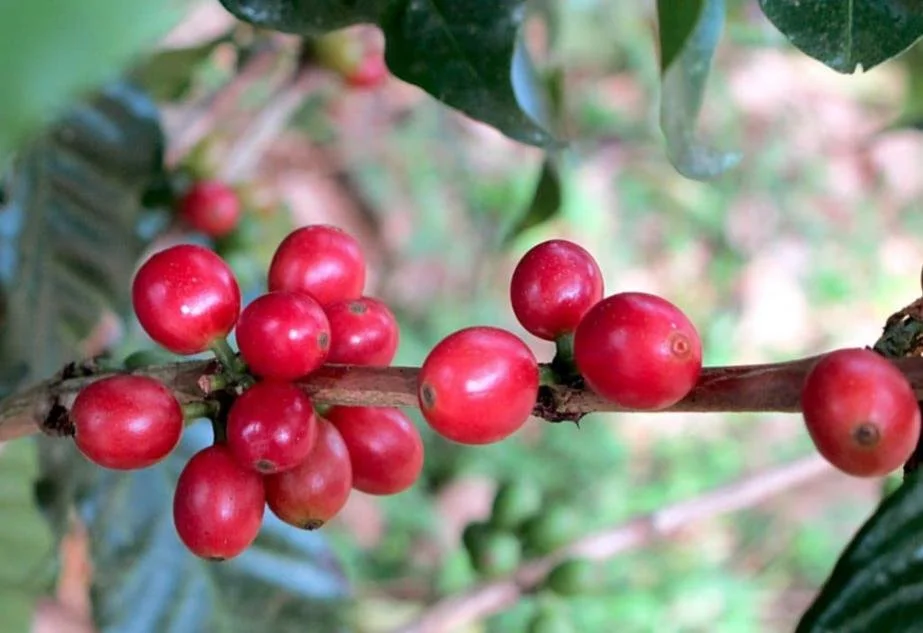
Nature's Signal: When the plant matures, it bursts into fragrant, white blossoms resembling sweet jasmine. About 8 months later, the first green coffee cherries appear, slowly ripening to a yellow, then a deep red or purple hue when ready for harvest.
Tech Spotlight: Genetic Purity
To guarantee pure reproduction without genetic drift, growers sometimes plant cuttings from mature, high-performing coffee plants instead of seeds.
Peaberry Fact: While most cherries contain two beans, about 5% naturally develop only a single seed, known as a peaberry.
Step 2: The Harvest
Harvesting is highly dependent on terrain and coffee quality. In steep, mountainous regions, harvesting must be done entirely by hand. In flatter regions, such as Brazil, farms can use mechanized harvesters to shake the fruit free.
The Methods:
Selective Picking: Harvesters meticulously rotate among trees every 8 to 10 days, picking only the perfectly ripe red cherries. This labor-intensive and costly method is the gold standard for premium Arabica beans, ensuring maximum sweetness and preventing sour underripe flavors.
Strip Picking: All cherries are stripped off the branches at once, either by hand or using mechanical strippers (like the handheld Derricadeiras or large driven machines). While fast and cost-efficient, it yields a mix of ripe, underripe, and overripe fruit that requires meticulous sorting later.
The Processing Crucible
Once harvested, cherries must be processed immediately to prevent spoilage and oxidation, which can ruin the delicate flavors. The choice of process fundamentally dictates the final cup's flavor profile .
-
The Craft: The ancient, traditional method used widely in water-scarce regions like Brazil and Ethiopia. Whole harvested cherries are sorted to remove debris and damaged fruit, then spread across large raised drying beds.
The Timeline: Cherries are sun-dried for 10 to 30 days, raked constantly during the day for even drying, and covered carefully at night to shield them from moisture and mold.
The Cup: Produces a full-bodied, sweet brew with distinct notes of citrus and lime acidity. However, if processed haphazardly, it can leave a chalky, lingering taste or lead to broken, brittle beans.
-
The Craft: A modern, water-intensive method popular in South America and East Africa. Cherries are placed in water—where underripe fruits float and high-quality ripe ones sink, before being squeezed through a pulping machine to strip away the outer skin while leaving a sweet, sticky layer of mucilage intact.
The Fermentation: The mucilage-coated beans are fermented in tanks for 8 to 36 hours to break down the sugars. After a final wash in clean water, they dry on raised tables for 10 to 23 days.
The Cup: Yields a clean, bright cup with pronounced, elegant acidity—enhanced by organic acetic acid produced during fermentation, along with heightened aroma, though with slightly less body than natural coffees.
-
The Craft: A delicate hybrid of both worlds. The outer cherry skin is machine-removed, but the sweet, sticky mucilage layer is left entirely on the beans as they are spread under the sun to dry.
The Cup: As the mucilage dries, it becomes incredibly sticky, resembling honey. The sugars in this layer soak deeply into the bean, imparting an intense, natural sweetness to the roasted profile.